Download The Story of the Byzantine Empire (Classic Reprint) - Charles William Chadwick Oman | PDF
Related searches:
Guided practice: continuity and change in the Byzantine Empire
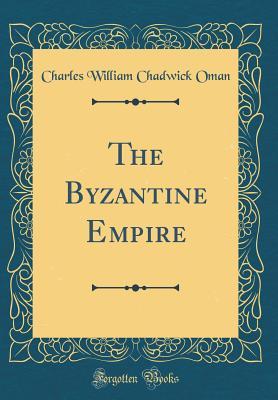
The Story of the Byzantine Empire (Classic Reprint)
The Rise And Fall of The Byzantine Empire (Eastern Roman Empire
Byzantine Art and Architecture - History and Concepts - The Art Story
The History of Byzantium A podcast telling the story of the Roman
The Fall of the Byzantine Empire and Rise of the Renaissance
The story of the Byzantine empire - Le Mura di Lucca
History of the Byzantine Empire - Wikipedia
The story of the Byzantine empire : Oman, Charles William
The Byzantine Empire: Oman, Charles William Chadwick
The History of the Byzantine Empire : Every Month - YouTube
History of the Byzantine Empire - YouTube
A Millennium of Glory: The Rise and Fall of the Byzantine Empire
The History Book Club - MEDIEVAL HISTORY: BYZANTINE EMPIRE
The Byzantine Empire Free Reading Passages and - CommonLit
How climate change may have wreaked havoc on the Byzantine
12 Byzantine Rulers: The History of the Byzantine Empire
History of the Byzantine Empire (Byzantium) Live Science
HISTORY OF THE BYZANTINE EMPIRE
Beyond Constantinople: Life In the Byzantine Empire
Story of the World - Chapter 4 - The Byzantine Empire
Belisarius: Powerful General of the Byzantine Empire
Table of Contents: A short history of the Byzantine Empire /
The Byzantine Empire - Free stories online. Create books for kids
Best books on the Byzantine empire : AskHistorians - Reddit
Theophano: A Byzantine Tale, The MUST Read Comic With The
Top 10 Reasons the Byzantine Empire Was Among the Most
A History of the Byzantine State and Society Warren Treadgold
The story of the Byzantine Empire (1895 edition) Open Library
About the chronological periods of the Byzantine Empire
(PDF) LIBRO - C W C OMAN - THE STORY OF THE BYZANTINE EMPIRE
Vasilief : A History of the Byzantine Empire - Chapter 1
Byzantine_and_Russia - The Byzantine Empire and the Rise of
The Byzantine Empire Saint John Chrysostom Albanian Orthodox
The Byzantine Empire in the World of the Seventh Century - JSTOR
The History of Byzantium Listen to Podcasts On Demand Free
A History Of The Byzantine State And Society - Worth Avenue
Chapter 10 The Byzantine Empire Russia Graphic Organizer - NACFE
The History of the Byzantine Empire: From Its Glory to Its
The Legend of the Last Byzantine Emperor, Constantine XI
10 Interesting Facts About The Byzantine Empire - Listverse
10 Dark Secrets Of The Byzantine Empire - Listverse
Reasons for the fall of the Byzantine Empire: description
The Byzantine Empire Land of the Bible
The Cambridge History of the Byzantine Empire c.500–1492
12 Byzantine Rulers: The History of The Byzantine Empire
History of the Byzantine Empire - كتاب إلكتروني - Charles
History - The Byzantine Empire Free Essay Example
Blue versus Green: Rocking the Byzantine Empire History
The first plague in history ended the Byzantine empire, was
The Byzantine Empire - Anti-Social Studies
The Byzantine Empire – Parchments of the Times Past
The Byzantine Empire - SlideShare
The Economy of the Byzantine Empire by Christos Antoniadis
Byzantine Empire - Simple English Wikipedia, the free
A Short History of the Byzantine Empire - Dionysios
How the Ottomans Collapsed the Byzantine Empire
The Byzantine Empire: A Center of Wealth and Power
The Legacy of the Byzantine Empire National Hellenic Museum
The Byzantine Empire: History, Culture & Timeline - Video
History of the Byzantine Empire, from DCCXVI to MLVII
The Byzantine Empire - Charles Oman - Google Books
The Decline and Collapse of the Byzantine Empire – Brewminate
The Varangian Guard: Why Did Vikings Fight For The Byzantine
The Byzantine Empire: History & Collapse SchoolWorkHelper
History of the Byzantine Empire, 324-1453, Volume I by
When Did the Byzantine Empire Fall? - WorldAtlas
Past Climate Change May Have Weakened the Byzantine Empire
3085 1404 3062 1624 2813 2856 1064 3372 819 1523 833 979 2200 2772 2939 2562 2275 2840 4901 292 2480 843 3569 134 911 733 3350 3628 787 1288 1519
Although byzantine successor states emerged in nicaea, trebizond and epirus, and went on to reclaim the capital in 1261, many historians cite the loss of the capital as a fatal blow to the byzantine empire. The byzantine civil wars of the 14th century, including the byzantine civil war of 1321–1328 and the byzantine civil war of 1341–1347.
The byzantine empire is fatally weakened by the crusaders who now grab fiefs for themselves in greece and western anatolia (following the example of the first crusaders, a century earlier, in palestine and syria). A latin empire is set up in constantinople on the same feudal principle as the latin kingdom of jerusalem. One of the crusaders, baldwin, count of flanders and hainaut, is elected emperor.
The total area of the byzantine empire was more than one million square kilometers with a population of approximately 35 million people. The state was so big that its emperors in the christian world were considered supreme overlords. Legends were told about the inconceivable riches and pomp of this state.
A lovely general history of the byzantine empire with some tongue in cheek humor and gossip from the time period included. The book glosses over some rulers as unimportant and goes very in-depth on emperors and generals the author considers more historical, in that he feels they changed laws or won important strategical battles.
This relatively short book is an excellent introduction to the history of the byzantine empire. The author, charles oman, seems to have been among the first western historians to get away from gibbon's dismissal of the byzantines as corrupt and cowardly and to present them in their true light, the defenders of the west from islam for 800 years.
On the death of constantine, in ad 337, the empire is divided between his sons constantine ii, constantius ii and constans. Since the time of his father, constantius, the family has had a streak of constancy in its choice of names. The sons inherit the parts of the empire which they have already ruled, on behalf of their father, as caesars.
Russian historian vasiliev's history of the byzantine empire, 324-1453 is one of the best history books in the historiography of byzantine! vasiliev questions the byzantine society during the history, searchs the documents of byzantine state's in detail, tries to describe the different stages of byzantine political, legal, social history.
The byzantine empire, is one of the most tragically understudied topics in modern american historical curriculum.
285, when the emperor diocletian separated what became byzantium from the western roman empire, and ends in 1461, when the last byzantine.
Byzantine chronicle pontifex maximus a vandal prophecy the coming of the circumcised man bad dream the oracles of leo the wise short reign bloody.
The byzantine empire for which it was headed, had for centuries depended on north africa to meet its requirements of food grain. This time though, along with the food grains, came a disease that would wreak havoc across the empire, and alter the course of its history.
The empire was at its weakest and most vulnerable point, and the official fall of the empire began when turkish warlord osman formed the ottoman empire. The seventh ruler of the ottoman empire, mehmed ii, is who would finally capture the coveted capital of constantinople and mark the fall of the byzantine empire for good.
One of the byzantine empire's great achievements was the preservation of roman and greek culture. Along with their downfall, many libraries and other documents were lost. The byzantine empire survived in the east, along with the rest of the roman empire.
The byzantine empire was extraordinary in its ability to survive without interruption for over eight centuries.
This history lecture podcast covers the little known byzantine empire through the join lars brownworth as the story of byzantium's first great emperor unfolds.
The rise of the byzantine empire� the rise of the byzantine empire occurred simultaneously with the fall of the roman empire. The power and influence of the roman empire began in the 3rd century ce, in a period that saw the empire plagued with civil wars caused by the collapse of administrative structures.
This informational text details the history of the byzantine empire. This empire thrived as a modern, efficient, culturally-rich society for over one thousand years,.
The story of the byzantine empire by oman, charles william chadwick, sir, 1860-1946. Publication date 1892 topics byzantine empire publisher new york, putnam collection.
The byzantine empire started as the eastern roman empire in 330 ce when constantine, a roman emperor, founded constantinople, the roman empire's new capital, on the ancient site of byzantium.
First, a guy named diocletian saw how big and unwieldy the empire had become and so he divided the empire into two halves. He would rule the empire in the east in an ancient city called byzantium (that’s where the name byzantine comes from) and another guy would rule the western half from rome.
The byzantine empire had an important cultural legacy, both on the orthodox church and on the revival of greek and roman studies, which influenced the renaissance. The east-west schism in 1054 divided the christian world into the orthodox church—now the eastern orthodox church—the catholic church—now the roman catholic church.
I've got 'the new penguin history of the world' and 'after tamerlane' which both dip into the byzantine empire slightly ( i confess to not having read all of either.
You just clipped your first slide! clipping is a handy way to collect important slides you want to go back to later.
On may 29, 1453, the ottoman army, led by mehmed the conqueror, seized constantinople, putting a violent end to one of the longest-lasting empires in history. The fall of the great city also ended the life of the last emperor of byzantium, constantine palaiologos. The legends that sprang up around the fall of constantinople are a large part of orthodox and hellenic tradition.
The story of the byzantine empire by oman, charles william chadwick, sir, 1860-1946. Publication date 1892 topics byzantine empire -- history publisher.
The byzantine empire existed for nearly 1,125 years, and it’s one of the greatest empires of all time. Yet many people know little about it, other than the word “byzantine” being synonymous for highly intricate, complex, and devious dealings. Beginning its adult life as the capital for the eastern part of the roman empire, the city of constantinople—later byzantium, and istanbul today—became the center of an extremely.
By the time basil ii was crowned at age two, the macedonian dynasty had led the byzantine empire to seemingly endless military victories and unprecedented heights of glory. However it was not the emperors who had accomplished so much, but their powerful generals.
The byzantine empire, the survivor of the roman empire, flourished into the oldest and longest lasting empire in our history. It began with constantine the great’s triumph of christianity. He then transferred his capital from rome to the refounded byzantium in the early 4th century, year 330 ad, and named it constantinople after himself.
The most-threatening problem heraclius faced was the external menace of the avars and the persians, and neither people heraclius was born in eastern anatolia. His father, probably of armenian descent, was governor of the roman province of africa when an appeal came from constantinople to save the eastern roman empire from the terror and incompetence of the emperor phocas.
For 1,000 years after the western roman empire fell, the eastern empire of byzantium stood strong. Ancient and powerful, the byzantine court soon became known as a warren of intrigue and secrets.
Some of the achievements of the byzantine empire include protecting europe from eastern invasions, preserving greek language, preserving roman traditions�.
The diminished roman empire, now centering entirely in constantinople, lasted for a thousand years, surrounded by enemies and frequently engaged in a struggle for life or death, but for the greater part of that long period the most powerful state in europe.
Mar 28, 2019 the byzantine empire lost a great deal of territory in the sixth and seventh centuries, a decline often linked to islamic conquests.
Byzantium lasted a thousand years, ruled to the end by self-styled 'emperors of the romans'. It underwent kaleidoscopic territorial and structural changes, yet recovered repeatedly from disaster: even after the near-impregnable constantinople fell in 1204, variant forms of the empire reconstituted themselves. 500–1492 tells the story, tracing political and military events, religious controversies and economic change.
A podcast telling the story of the roman empire from 476 ad to 1453.
The byzantine empire had a major influence upon orthodox christianity. This was embodied in the byzantine version of christianity, which spread orthodoxy and eventually led to the creation of the byzantine commonwealth (a term coined by 20th-century historians) throughout eastern europe. Early byzantine missionary work spread orthodox christianity to various slavic peoples, where it still is a predominant religion.
During the viking age there existed, within the army of the byzantine empire, an elite company of mercenaries mostly from scandinavia. This group was known as the varangian guard, a regiment of warriors renowned for their ruthless loyalty and military prowess.
The legacy of the byzantine empire thursday, may 18, 2017� 6:00 – 8:00 pm at the national hellenic museum cost: $15 non-members, $10 nhm, $5 students. The legacy of the byzantine empire by katie kelaidis what do syria, russia, turkey, and greece all have in common? they were all once under the sphere of the byzantine empire’s influence.
Feb 17, 2021 this book provides detailed coverage of byzantium from its roman beginnings to the fall of constantinople and assimilation into the turkish.
History of the ottoman empirethe secret historybyzantine culture in translationthe medieval worldthe oxford handbook of christian monasticismthe.
The byzantine empire the byzantine empire was a very important part of world history, and yet, there is not much discussion about it, even among historians to-day. Hence, this article is going to talk about it and to highlight its importance. The story of the byzantine empire started with rome, like most of europe to-day.
The byzantine empire, also called byzantium, was the eastern half of the roman empire, based at constantinople (modern-day istanbul) that continued on after the western half of the empire collapsed.
When constantine the great became the sole emperor of rome in 325, he rebuilt the old city of byzantium and named it nova roma, making it into a second.
The byzantine empire was in decline when constantine was proclaimed emperor on january 6, 1449, after the death of his brother ioannis. It was a time when the ottomans were on the rise, taking over land that had been under byzantine rule.
Two thousand five hundred and fifty-eight years ago a little fleet of galleys toiled painfully against the current up the long strait of the hellespont, rowed across the broad propontis, and came to anchor in the smooth waters of the first inlet which cuts into the european shore of the bosphorus.
Oct 11, 2020 a beautifully illustrated story by chrysavgi sakellaropoulou and spyros theocharis has brought the east roman empire, or more commonly.
Before the plague arrived, the empire of byzantium under justinian had expanded far across north africa, southern france, italy and spain, and was well on its way to re-establish much of the golden era of the roman empire. The decrease in the population of the empire also significantly weakened the military.
The archons of athens formed the government of the ancient greek polis until the roman conquest. In the byzantine empire, at first this term served as a name for local rulers, who recognized the emperor as their overlord in one way or another. Subsequently, under the name of the archons, the highest layer of byzantium subjects was formed.
Sep 25, 2014 upon the conquest of constantinople, ottoman sultan mehmed ii was called kayser-i rum (the caesar of the romans) referring to the emperor.
In 1453, the byzantine empire would perish at the hands of the ottoman sultanate, sealing the fate of this famous mercenary corps. Noah tetzner is the host of the history of vikings podcast, which features scholarly discussions about the history of medieval scandinavia.
Start studying story of the world - chapter 4 - the byzantine empire. Learn vocabulary, terms, and more with flashcards, games, and other study tools.
The byzantine empire was mainly comprised of an array of small towns and seaports connected by a developed infrastructure. Production was very high, and there was a notable growth in land ownership. The byzantines followed a christian lifestyle which revolved around the home, where women dedicated themselves to the upbringing of their children.
500–1492 tells the story, tracing political and military events, religious controversies and economic change. It offers clear, authoritative chapters on the main events and periods, with more detailed chapters on outlying regions and neighbouring societies and powers of byzantium.
When visiting a nation as old as israel, with so many conquerors that spanned several millennia and continents, it can be difficult to sort out your historical facts. Especially when you’re standing in jerusalem as a first time tourist. Without an understanding of each nation that controlled israel, and when they were here, a guide’s explanation of what you’re looking at can be an exercise in futility.
Akin to roman times, every citizen outside the walls of constantinople was living in a province. Under the longest-lived administrative system, the byzantine empire was composed of several themes ( thémata) with a single general ( strategos) in charge of each.
This video shows the history of the byzantine empire in a much more complete way, as it goes every month.
Belisarius’ last military campaign was in 559 ad, when the bulgars attempted to invade the byzantine empire. Belisarius falls from grace� in 562 ad, belisarius fell from grace, was accused of corruption, and sent to prison. He was, however, later pardoned by justinian, and was restored to his previous honor and standing in the byzantine court.
The story of the byzantine empire started with rome, like most of europe to-day. The roman civilisation was a republic, until the rule of julius caesar. After his death, things gradually changed and his nephew, augustus caesar, proclaimed himself the emperor of rome in the year 31bce.
The byzantine empire and the rise of russia (ce 395–ce 1589) the story continues the byzantine empire, ce 526–ce 565 the byzantine empire, ce 526–ce 565 the growth of the byzantine empire many leaders of the byzantine empire hoped to revive the glory and power of the roman empire. The emperor justinian� who ruled from ce 527 to ce 565, led the byzantines in this revival.
Oct 3, 2020 this explosive mixture of occurrences takes place in the 10th century medieval roman empire (aka the byzantine empire).
According to history books, the roman empire ended in 476 ce with the fall of rome.
The empire of trebizond, which had split away from the byzantine empire in 1204, became the last remnant and last de facto successor state to the byzantine empire. Efforts by the emperor david to recruit european powers for an anti-ottoman crusade provoked war between the ottomans and trebizond in the summer of 1461.
Great work of the east-roman empire in holding the writer of this book has endeavoured to tell history of these early centuries of the life of byzantium.
The history of byzantium podcast on demand - a podcast telling the story of the roman (byzantine) empire from 476 ad to 1453.
The byzantine empire was one of the most impressive imperial adventures in history. It ruled much of europe and anatolia for a remarkable eleven hundred.
The back story of the ottoman empire began in 1204, nearly a century before osman’s fight at telemaia, when latin christian (catholic) soldiers of the misbegotten fourth crusade sacked constantinople, terrorizing its orthodox christian populace and driving the byzantine government from its capital.
Oct 5, 2018 byzantine empire was the eastern roman empire (and, after the deposition of the last western roman emperor in 476, the roman empire).
The architecture of the byzantine empire was based on the great legacy of roman formal and technical achievements. Constantinople had been purposely founded as the christian counterpart and successor to the leadership of the old pagan city of rome.
Aug 23, 2018 the term byzantine is derived from the byzantine empire, which developed from the roman empire.
Berkshire encyclopedia of world history abraham byzantine empire book description� an integrated view of the history of our global community from a 21st-century perspective, with a focus on environmental and social issues.
If we reckon the history of the eastern roman empire from the dedication of constantinople in 330 until its fall to the ottomans in 1453, the empire endured for some 1,123 years. Scholars typically divide byzantine history into three major periods: early byzantium, middle byzantium, and late byzantium.
Jan 14, 2021 due to its more than 1000 years of history, the byzantine empire is one of the longest-lasting empires in the world.
The byzantine empire, sometimes known as the eastern roman empire, was the predominantly greek-speaking continuation of the eastern half of the roman empire during late antiquity and the middle ages. Its capital city was constantinople (modern-day istanbul), originally founded as byzantium.
The byzantine empire cultural diffusion the byzantine empire influenced russia by spreading christianity and converting people.
But the two remaining teams were wildly popular in the eastern, or byzantine, empire, which had its capital at constantinople, and their supporters were as passionate as ever—so much so that they.
The final fall of the byzantine empire was caused by attacks from the ottomans. The byzantine empire fell, and islam spread into eastern europe. The main reason of its fall was a significant number of attacks made by the ottoman turks.
Jul 20, 2019 with its gradual shift from latin influenced roman culture, to a hellenic sphere influenced by eastern orthodox christianity, the byzantine empire.
The byzantine empire, so-called for the former name of constantinople, was the eastern portion of the roman empire.
The byzantine empire, that is the eastern roman empire, lasted quite a long time; from 284 (first division of the roman empire) to 1453. This makes the stability of its monetary system and its long.
Post Your Comments: