Download Reusable and Sustainable Building Materials in Modern Architecture - Gulsah Koc file in ePub
Related searches:
Standard of Sustainable Building Materials and Inspection Smart
Reusable and Sustainable Building Materials in Modern Architecture
Low-Cost and Reusable Building Construction Materials That Boost
READ 15 Sustainable and Green Building Construction Materials
Mapping the constructions' recyclable, reusable and renewable
Green Building Methods and Materials - City of Albany, CA
Denmark's Braunstein Taphouse building is reusable and recyclable
Building Materials Reuse and Recycle
Deconstruction and Reuse Network - Green Education Foundation
Material Recycling: A Sustainable Approach to Demolition and
Renewable, reusable and sustainable - Projects And Tenders
The missing link: Sustainable reuse and recycling of building
Recycle, Salvage and Reuse Building Materials – Sustainable
Sustainable Practices to Build and Remodel Homes in Princeton, NJ
1 BUILDING GREEN VIA DESIGN FOR DECONSTRUCTION AND
WoHo wants to make constructing buildings fast, flexible and green
Building Reuse: Sustainability, Preservation, and the Value
How do we define whether a building is eco? Concepts and
Sustainable Building Materials, Wall Panels and Sheathing CPBS
Historic Preservation and Green Building: A Lasting
(PDF) Building Materials Reuse and Recycle
SUSTAINABLE IMPLICATIONS OF BUILDING REUSE AND ADAPTATION
20 Most Sustainable and Green Building Examples From Across
Amazon.com: Building Reuse: Sustainability, Preservation, and
Sustainable Architecture, Sustainable Buildings, Reuse and
Sustainable Construction: Methods and Benefits BigRentz
Building Obsolescence and Reuse - Sustainable Building
365 3561 627 2005 2132 3740 4870 1114 4330 2838 3668 4047 3019 2020 1425 2433 4436 1027 1946 1999 2737 4180 1405 3939 2737 296 3026 3315 4541 3263 2928 402
Aug 4, 2016 steel is one of the most recyclable and reusable materials in the construction industry.
Jul 11, 2018 although concrete is a core component in homes, public buildings, and bridges, it's not the most sustainable building material out there.
Green building (also known as green construction or sustainable building) refers to both a structure and the application of processes that are environmentally responsible and resource-efficient throughout a building's life-cycle: from planning to design, construction, operation, maintenance, renovation, and demolition.
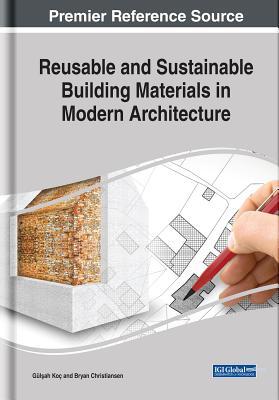
Reusable and sustainable building materials in modern architecture is an essential reference source that discusses the shaping of building design through culture and materials as well as the influence of environment on building design. Featuring research on topics such as passive design, ecological design, and urban design, this book is ideal for academicians, specialists, and researchers seeking coverage on culture, environment, and building design.
This prefab home by arup associates is made from recycled, reusable and sustainably sourced materials.
May 21, 2018 modular building systems are a prime example of a green life cycle.
Recycled and reusable materials, indoor environmental quality and environmental management.
A sustainable building is designed and operated to use and reuse materials in the most productive and sustainable way across its entire life cycle, and is adaptable for reuse during its life cycle. The materials used in a sustainable building minimize life-cycle environmental impacts such as global warming, resource depletion, and toxicity.
Sustainable design and construction, or green building, is a holistic approach that minimizes environmental impact, reduces maintenance, and creates a more desirable workspace for the building occupants.
A ‘green’ building is a building that, in its design, construction or operation, reduces or eliminates negative impacts, and can create positive impacts, on our climate and natural environment. Green buildings preserve precious natural resources and improve our quality of life. There are a number of features which can make a building ‘green’.
Making a building eco-friendly is possible, even long after a construction site has been demobilised. In november last year, a report put forward by mcgraw hill construction predicted that us $15 billion will be invested in non-residential green building retrofits in the usa alone by 2014 – a figure that jumps from just $2 billion in 2009.
Today many people that are building or remodeling their houses choose to use eco-friendly building materials.
Preservation professionals can provide additional guidance and local resources for promoting building reuse in your community. The local planning department can address how zoning and building regulations may enable or hinder reuse.
It’s a massive cultural change that impacts consumer buying habits and how companies do business. That’s why modular buildings are an ideal sustainable solution for projects in construction, hospitality, education, retail and business.
Sustainable construction is the practice of creating a healthy environment that’s based on ecological principles. Kibert, sustainable construction focuses on six principles: “conserve, reuse, recycle/renew, protect nature, create non-toxic and high quality.
Sustainable interior design can be incorporated through various techniques: water efficiency, energy efficiency, using non-toxic, sustainable or recycled materials, using manufactured processes and producing products with more energy efficiency, building longer lasting and better functioning products, designing reusable and recyclable products.
Spotted: with the threat of rising sea levels, waterfront property does not currently look like a good investment. However, denmark’s adept architecture is turning the uncertainty into an opportunity, with its sustainable and reusable building design. The braunstein brewery taphouse, located in the danish city of koege, is located along the harbour, in an area considered to be a potential part of the city’s climate adaptation strategy.
Sustainable design and construction, or green building, is a holistic approach that minimizes environmental impact, reduces maintenance, and creates a more desirable workspace for the building occupants. Green building focuses on siting issues, energy and water efficiency, recycled content building materials, minimizing local and global environmental effects caused by buildings, and indoor environmental quality.
To meet the goals of reducing co2 emissions and focusing on sustainability in the construction industry, there is an urgent need to drastically reduce carbon.
Construction is underway for pure water oceanside, one of three potable reuse or recycling projects in san diego county that will reduce the need for imported water while creating a sustainable, local supply.
Building reuse includes a compelling range of case studies―from a private home to an eighteen-story office building―all located in the pacific northwest, a region with a long history of sustainable design and urban growth policies that have made reuse projects feasible.
May 14, 2020 from reusable water bottles and bags to electric cars, many people are bamboo is an eco-friendly building material because it grows quickly.
Most often, the building has some historic or significant value, but it can even be turning an old warehouse into lofts or condos. Adaptive reuse is a significant contribution to sustainable design by reducing the use of resources, reducing waste, saving historically significant architecture, and re-connecting a place to its past and community.
Apr 27, 2018 what is the definition of sustainable architecture? planning ahead by making the space and materials employed completely reusable.
Construction managers should settle on a low-cost reusable material option that best fits them.
It turns out that “ building reuse almost always offers environmental savings over demolition and new construction, ” according to a new study published by the preservation green lab of the national trust for historic preservation� the green lab published its findings after a life cycle analysis of environmental impacts of various buildings located in four cities around the country.
Modular building construction continues to be a front-runner in the field of green building practices and sustainability through off-site operations that result in efficient and responsible inventory control, material reuse, and automation of tasks.
In building reuse: sustainability, preservation, and the value of design, kathryn rogers merlino makes an impassioned case that truly sustainable design requires reusing and reimagining existing buildings. The construction and operation of buildings is responsible for 41 percent of all primary energy use and 48 percent of all carbon emissions.
Additionally, adaptive reuse can be more sustainable than new construction because older buildings that were constructed before modern climate control features are often naturally sustainable. For example, their use of thick walls and awnings was purposeful to control temperatures, and high ceilings and large windows allowed for natural light.
Find a variety of green building studies and reference materials to help stimulate and ground working to generate reusable resources from yesterday's waste.
The potential for “building recycling” in contrast to new construction, renovating from the built environment can lead to a wide range of energy savings. Adaptive reuse projects avoid the harmful demolition phase, and also have the opportunity to take advantage of energy savings by reusing fixtures and features that are already in structures.
It is often said the greenest building is the one already built. Increasingly, research has supported this statement—the reuse and sustainable renovation of existing buildings can result in fewer adverse environmental impacts than sustainable, or green, new construction.
The author finds new ways to use recycled cans and other materials to create eco-friendly structures.
Sustainable site development involves, whenever possible, the reuse of existing buildings and the preservation of the surrounding environment. The incorporation of earth shelters, roof gardens, and extensive planting throughout and around buildings is encouraged.
Most common building materials today have recyclable alternatives. Concrete, metals, glass, brick and plastics can all be produced with some form of the previously used material, and this process.
Emerging argument against reuse is that a new building would be more energy efficient than an existing building. The reasons for keeping, maintaining and reusing existing buildings are manifold. The benefits of reuse range from the intangible benefits of heritage to society and cultural identity to measurable economic and environmental advantages.
Unlike cradle-to-grave, where building products and materials are demolished and disposed of in a landfill at the end their life, recycling and reuse of materials significantly extends their lifecycle. When materials are recycled, they can be re-manufactured for a new purpose.
The environmental value of building reuse it turns out that “ building reuse almost always offers environmental savings over demolition and new construction, ” according to a new study published by the preservation green lab of the national trust for historic preservation.
In the context of sustainability, one might assume that older buildings are inefficient energy hogs, which should be demolished and replaced. However, the financial and energy costs of producing and purchasing new building materials is often more damaging to the environment than incorporating adaptive reuse strategies of existing buildings.
Buildings must evolve to support the ever-changing needs of their users. Adaptive reuse has played an integral role in the preservation of our built environment. Most often this involves a dramatic recalibration of the building’s function, triggering changes in space utilization, integration of technology and new, high-performance building systems.
Title of host publication, reusable and sustainable building materials in modern architecture.
Jun 25, 2019 green construction is soaring in popularity as more homeowners, and homeowners-to-be, turn to eco-conscious alternatives when designing.
Considering that the construction and operation of buildings in the united states accounts for more than 40 percent of the country’s carbon emissions, and construction waste accounts for 25 percent of the total waste that enters the municipal waste stream each year, reuse and greening of buildings is an opportunity to reduce carbon emissions and invest in historic preservation.
The article focuses on reuse building materials as a way for environment protection and sustainable development. Integrated environmental management integrates the requirements of sustainable.
Jun 17, 2020 even though a lot of construction/demolition byproducts are highly reusable they are still ending up in landfills.
The reuse of older sites and buildings for new uses is a sustainable choice in building. It conserves land, saves energy and resources, and preserves our heritage. Recognizing this, the city of phoenix, arizona has instituted its award-winning adaptive reuse program. One of the most comprehensive programs of its kind in the nation, it offers guidance, expedited timeframes and reduced costs to customers applying to reuse older buildings for new business uses.
Reinforced concrete, in its many forms, is a versatile building material that can provide many sustainable benefits by virtue of its economic construction, thermal mass, durability, fire resistance, acoustic performance, adaptability and recyclability.
After built structures become disused or abandoned, adaptive reuse can be the perfect way to breathe new life into an old building, while conserving resources and historic value.
Oct 22, 2020 think of them as well-designed and reusable blocks that can be plugged together in order to create a structure.
There is no single definition of a sustainable building or system, but the following are some of the most important credentials of sustainable architecture: designed to operate with very low energy demand designed for fire resilience and reusability consideration of the resources required for the lifetime of the building.
Meeting diversion rates encourages developers to use more sustainable practices and to use material that can easily be reused or salvaged before the demolition of a structure. Local governments can impose monetary sanctions for not complying with the ordinances and/or suspend or revoke a developers’ permit to build.
Adaptive reuse is an essential policy for achieving sustainability as it keeps a continuous building life cycle and avoids building destruction. It is one approach to sustainability where it retains the tangible and intangible values, resilience of the original building materials, and reduces waste and time.
Sourced from renewable sources; be recyclable or reusable; use as little water as possible to manufacture or construct; low maintenance after construction; provide.
The sustainability and environmental friendliness of a building is rated according to its: water efficiency – minimal waste optimum use of energy using natural insulation designs – use of daylight and solar cells reducing water and recycling – concepts like rainwater harvesting.
Dec 13, 2019 it doesn't require as much energy as glass or metal to create, and it's reusable even without recycling.
Stopwaste's office building in downtown oakland, california was the first building renovation project in the nation to receive platinum certification, the leed.
With the potential threat of rising sea levels giving developers around the world a good reason to second guess ocean-adjacent construction, adept architecture in denmark has created a stunning.
According to the united states environmental protection agency, it takes about 65 years for an energy-efficient new building to save the amount of energy lost in demolishing an existing building. Re-using an existing building also means less construction materials in landfills.
Adaptive reuse has been studied and described internationally, from different perspectives and disciplines. This chapter combines these different studies, developing a theoretical framework for adaptive reuse. One of the main drivers for adaptive reuse, next to common adaptation drivers, is building or functional obsolescence.
The range of environmental savings from building reuse varies widely, based on building type, location, and assumed level of energy efficiency.
Our favorite answer is, “sustainability!” that's right, steel is a sustainable building material. Sure, you may take reusable bags to the grocery store or put your.
Sustainable construction: new algorithms to enable the reuse of components and structures the new software will reduce the carbon footprint and the amount of material used. According to some estimates, in developed countries, construction is responsible for up to 40% of carbon dioxide emissions.
Low-cost and reusable/recyclable building construction materials are another option for slashing costs—and they have the added benefit of being green and sustainable in most cases. 7% would have reservations about buying or renting a home built with green construction practices due to worries about costs.
Oct 20, 2020 the waste it produces is reusable; it's not toxic to humans or the environment.
Jul 7, 2020 in the years since, we've seen rapid advances in green building materials and products that are designed to be reusable, recyclable,.
Analysis of a building's phases of construction (pre-building, building, and post-building) are used to explore the concepts of economy of resources, life cycle design, and humane design. Bibliography lists 130 books and journals specifically related to sustainable design theory and application.
It can then be reused in a building for non-drinking water needs such as irrigation, toilet flushing and cooling. By using alternative water sources for these needs, onsite reuse reduces the waste of valuable drinking water. In fact, water reuse can account for up to 50 to 95 percent of the water used in residential or commercial buildings.
Sd sustainable building week features water reuse projects april 8, 2021 / in media coverage� san diego county / by ed joyce / water news network mentioned: san diego county water authority representatives from three potable reuse projects currently under development in san diego county will participate in the inaugural “sustainable building.
Mar 24, 2021 a sustainable material is one that: does not deplete non-renewable (natural) resources.
The living lab at the fraunhofer center for sustainable energy systems is another example of adaptive reuse and sustainability in action. The lab is housed within a 100-year-old building in boston, and is retrofitted with energy-saving features, including a building management system to monitor energy consumption and solar control glass.
In practice, adaptive reuse—or maintaining an old building for a new function without damaging its “character-defining features,” in the language of the secretary’s standards—gives owners and architects a great deal of latitude.
Here are ways to build a house that supports both sustainable energy while reducing its recycled steel is one of the most popular green building materials out there. You can do this through reusable towels, reusable shopping bags,.
Rehabilitation of existing buildings is important to sustainability in buildings, but with historic buildings, green building and preservationism can diverge. With attention to preservation standards and suitable application of green strategies, however, those agendas can be aligned.
Deconstruction is the careful dismantling and reclaiming of a structure's reusable finished materials and rough lumber.
Buildings account for a significant percentage of energy use, material consumption, and waste production. This study argues that a solution for this issue is the adaptive reuse of existing buildings. Research shows that reusing existing buildings for new design projects helps to decrease the amount of energy consumed and waste produced.
Aug 4, 2020 sustainable architecture is an approach to design which aims to minimise recycled construction materials or the intentional use of reusable.
A sustainable building should use water efficiently, and reuse or recycle water for on-site use, when feasible. As the world population continues to grow; the use of natural resources (and the demands for them) continues to increase.
Green building encompasses all that facilitate skillfulness in avoiding energy reclaimed stone, together with other goods which are reusable, renewable,.
Reducing the environmental impact of buildings is a key factor when planning the future of sustainable cities. While legislation and energy codes are becoming increasingly stringent, more and more of building developers are committing to sustainability. We specialize in designing high performance, energy- and resource-efficient buildings, tailored to client objectives and to the needs and well-being of occupants, and with a special focus on minimizing their environmental and ecological impact.
A green building is a structure that is environmentally responsible and resource-efficient throughout its life-cycle. These objectives expand and complement the classical building design concerns of economy, utility, durability, and comfort.
The taphouse is constructed from a small range of building materials, which are all sustainable. As far as possible, the materials are not mixed, allowing for their later reuse in other projects with minimal processing. This also reduces the volume of waste generated on the construction.
Sustainable and reusable materials – non-toxic polyurethane foam is not only the highest performing foam, it can be recycled into carpet padding.
Green building council's leadership in energy and environmental design little repair or replacement—and are readily reusable or recyclable.
Here are a few ways we’re using green building practices to make sustainability a priority: leed construction. Modular buildings can be constructed to meet the highest leed certification standards. Leed buildings use less energy, water, reduce greenhouse gas emissions.
Oct 18, 2017 check out the most popular sustainable building materials taking eco-friendly construction to the next level.
There is no single definition of a sustainable building or system, but the following are some of the most important credentials of sustainable architecture: designed to operate with very low energy demand� designed for fire resilience and reusability� consideration of the resources required for the lifetime of the building.
Leadership in energy and environmental design (leed) provides a framework to create healthy, highly efficient and cost-saving green buildings.
Benefit: salvaging reusable building materials decreases disposal costs, saves.
Even soon-to-be-demolished or decommissioned buildings have sustainable value for smart, holistic developers. The 20th-century paradigm of selling or demolishing a site, with salvage companies stripping knocked-down buildings for parts, works to a certain degree.
Not only do eco-friendly buildings substantially increase the resale value of a property in a forward-thinking market, but they can help save on utility and maintenance costs as well.
Building reuse: sustainability, preservation, and the value of design. In building reuse: sustainability, preservation, and the value of design, kathryn rogers merlino makes an impassioned case that truly sustainable design requires reusing and reimagining existing buildings. The construction and operation of buildings is responsible for 41 percent of all primary energy use and 48 percent of all carbon emissions.
Post Your Comments: